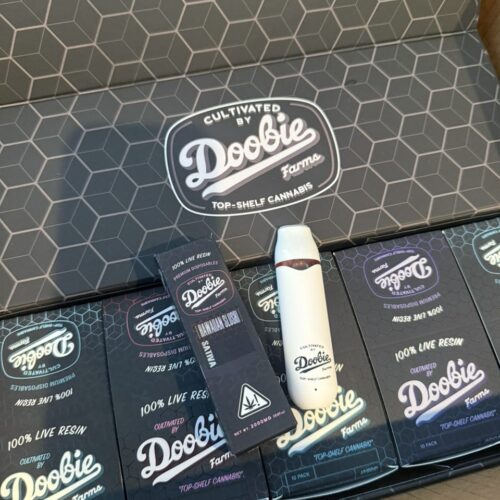
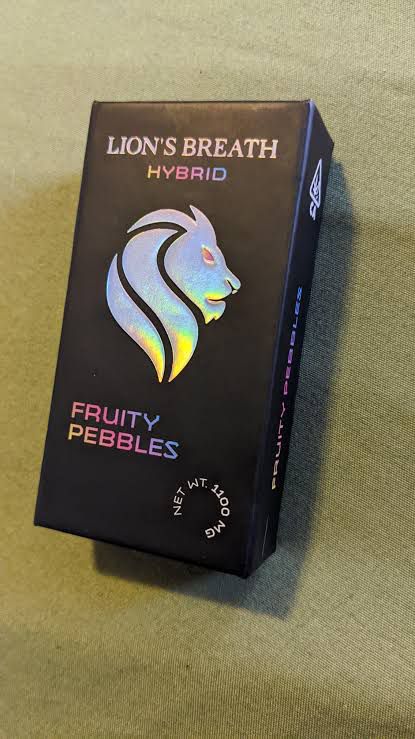
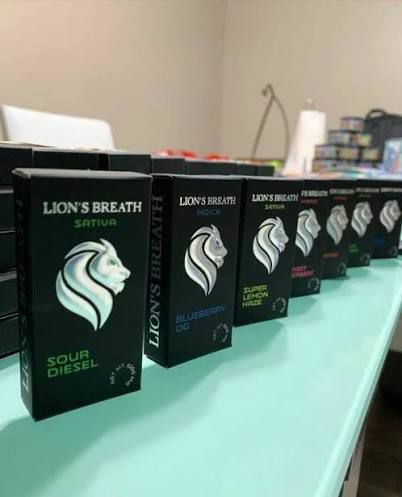
lions Breath cartridge
$15.00
Lions Breath cartridge occupies a strange space in the cannabis world: on the surface, it is a slick, affordable brand promising high THC, strong flavor, and big vapor; under the surface, it is a symbol of everything that can go wrong in unregulated vape markets
Did you like this product? Add to favorites now and follow the product.
Description
Lions Breath Cartridge: ultimate Guide to Potency, Flavors, Effects, Real vs Fake, and Safety
Lions Breath cartridges are prefilled vape carts that claim very high THC percentages, big clouds, and a wide flavor lineup, and they’ve blown up in underground and semi‑regulated markets across the US and abroad. Depending on who you ask, Lions Breath is either a “cheap but strong” go‑to or a textbook example of why fake carts and black‑market brands are dangerous. Some users swear the real Lions Breath hits hard and tastes good; others point to third‑party tests showing low THC, heavy metals, and vitamin E acetate in certain batches.
This guide breaks down what Lions Breath cartridges are supposed to be, how they’re sold, what real users and lab investigations have found, and how to think about “Lions Breath cartridge” as a search term if you care about both effect and safety.
Lions Breath Cartridge Overview
A Lions Breath cartridge is typically sold as:
- A full‑gram 510‑thread cartridge.
- Advertised THC content up to the mid‑90% range on some packaging.
- Available in more than ten flavors/strains (Blue Dream, Sour Diesel, Strawnana, and many others).
- Marketed as “top screw‑on cartridge with powerful flavors,” sometimes labeled as broad‑spectrum distillate.
Origin stories and retailer blurbs often say Lions Breath was “originally created in Scottsdale, Arizona” and is now a popular cart in Southern California and other scenes, offering “high quality distillate” with a smooth pull and mellow high at affordable pricing. Some product pages list THC ranges like 22–28% (which clearly don’t match a cart) while others boast 90%+ THC, which underlines the inconsistency in how the brand is presented.
In practice, “Lions Breath cartridge” is not a single regulated SKU; it is a label used across multiple channels, often with conflicting potency claims and little unified brand control.
Origins, Brand Background, and Reputation
Early Popularity
Around 2018–2019, Lions Breath carts started appearing in places like Arizona, Texas, and California, gaining word‑of‑mouth as a hard‑hitting cart that felt stronger than a lot of cheap competition. People on cannabis forums noted that Lions Breath cartridges seemed very potent, with thick, clear oil and fast‑acting highs compared to some other distillate carts.
At that time, some commenters claiming affiliation with Lions Breath said they used a simple distillate‑and‑terpene formula, describing early versions as 90% pest‑tested distillate and 10% terpenes, with later batches adjusted to around 85/15 for smoother use. The pitch was “no diluents, just distillate and terps,” which helped Lions Breath stand out in a sea of carts that were openly cutting oil with thinners.
Reputation Shift and Controversy
Over time, Lions Breath’s reputation began to split. On the one hand:
- A portion of users continued to praise Lions Breath cartridges as strong, flavorful, and cost‑effective.
- Some detailed reviews of newer packaging claimed that authentic Lions Breath with clear oil, slow bubbles, and verifiable QR codes still hit well and felt potent.
On the other hand:
- Fake‑cart watchdog communities started flagging Lions Breath as a problem brand.
- Independent testing and investigative articles reported that many Lions Breath carts had falsified lab results, much lower THC content than claimed, and problematic levels of additives.
- People shared stories of headaches, “chemical highs” that didn’t feel like real flower, chest pain, and other symptoms after vaping Lions Breath carts bought from plugs.
By 2020 and beyond, Lions Breath had become one of the most frequently discussed names in “Do NOT buy this cart” posts, even as some users still defended certain runs or batches they believed to be authentic. That split reputation is what makes Lions Breath cartridges both popular and controversial today.
lions Breath cartridge Packaging, Design, and Branding
Lions Breath cartridges are known for:
- Brightly printed boxes with the Lions Breath logo and strain name.
- Claims of high THC percentages on the back label.
- Full‑gram or “1100 mg” markings.
- Sometimes, QR codes that are supposed to verify batch and lab results.
Hardware itself is often described as:
- CCELL‑style or thermoplastic cartridges that produce big vapor.
- Clear or water‑clear oil visible through the glass or plastic.
- Thick oil that moves slowly when the cartridge is flipped.
For people not tuned into the fake‑cart conversation, the packaging can look professional and “real.” That’s exactly why Lions Breath became so common: the branding is polished enough to fool casual buyers into thinking they’re getting a licensed, top‑shelf product.
THC Strength, Cannabinoids, and Lab Tests
Claimed Potency
Lions Breath cartridges frequently claim:
- THC levels reaching up to about 94–95% on some reseller sites.
- Broad‑spectrum or full‑spectrum formulations with added terpenes.
- No diluents or cutting agents in the “official” marketing story.
These claims, on paper, put Lions Breath among the strongest carts on the market.
Independent Lab Findings and Red Flags
Independent investigations and unconnected lab tests have painted a different picture for many Lions Breath carts bought from street sources:
- A large majority of tested street cartridges with Lions Breath branding were deemed unfit for consumption.
- Many tested at significantly lower THC percentages than claimed, with some reported at under 50% THC despite high labels.
- Almost all samples tested were found with trace levels of vitamin E acetate; some cartridges had vitamin E acetate levels exceeding 20% of the contents.
- One third‑party lab test on a street‑bought Lions Breath cart reportedly showed less than 3% THC, essentially indicating a cartridge full of something other than what was on the label.
These findings strongly suggest that whatever may have been true of an early, more controlled version of Lions Breath, a large fraction of Lions Breath carts circulating in recent years are either outright counterfeit or produced by operators who misrepresent lab data and THC content.
lions Breath cartridge Flavors
Despite the safety controversy, the Lions Breath cartridge lineup is often described as having “over 10 amazing, powerful flavors,” with strain names like:
- Blue Dream
- Sour Diesel
- Strawnana
- Gelato and Gelato‑like varieties
- Hybrid strains labeled broadly as indica, sativa, or hybrid
Sellers claim flavor profiles such as:
- Earthy and diesel for sour and OG‑leaning strains.
- Sweet and fruity for strains like Strawnana and dessert hybrids.
- Herbal, gassy, and strong terpene presence overall.
Some users who think they’ve had authentic Lions Breath mention:
- Strong, distinct terpene profiles that make it easy to tell strains apart.
- Gas‑like aroma with terpenes dominating the nose.
- Oil that remains flavorful through the life of the cart.
Others, especially those who later learned their carts were likely fake, describe:
- Sharp, chemical taste that doesn’t resemble natural cannabis.
- Off‑putting flavor that feels synthetic and harsh.
- Inconsistent taste from cart to cart even with the same strain label.
For SEO, you can dig into individual strain names (e.g., “Lions Breath Blue Dream cartridge,” “Lions Breath Strawnana”) while regularly reminding readers that flavor quality and authenticity vary dramatically depending on who actually produced the cartridge.
lions Breath cartridge Effects and High
Reported Positive Effects
When Lions Breath cartridges are enjoyed by users who believe they have authentic or “good batch” carts, common effect descriptions include:
- Very fast onset—“first hit gets you high quickly.”
- Strong, long‑lasting high that can be more intense than many other carts.
- Clear distinction between different strains: sativas feel more heady and energetic, indicas more relaxing and body‑heavy.
- Mellow, euphoric vibe for evening use in hybrid varieties.
Some people rate the oil quality as high, noting:
- Thick, clear oil that doesn’t appear watered down.
- A high that feels potent and persists over time.
- An overall experience they would score somewhere around 8/10 for oil quality when the cart appears legit.
Reported Negative Effects
At the same time, many accounts of Lions Breath cartridges (especially those flagged as likely fake) mention negative or questionable effects:
- Headaches shortly after or later in the day.
- “Chemical high” that doesn’t feel like true cannabis, described as foggy, off, or strange.
- Chest pain, lung discomfort, or feeling “off” hours after vaping.
- Very inconsistent highs between carts with identical labels.
This split is key: there are people who have good experiences with certain Lions Breath carts, and there are many others who feel physically worse after using them than after other brands, to the point where entire communities warn “Do NOT buy Lions Breath carts.”
lions Breath cartridge Price
Price Positioning
Lions Breath cartridges are marketed as:
- Budget‑friendly or affordable compared to licensed, dispensary‑only brands.
- Strong enough that one cart can last a user a significant amount of time.
- High THC at mid‑tier prices, making them appealing to cost‑conscious buyers.
Retailers and resellers tout the combination of “premium distillate” and good pricing as a big draw.
Where to buylions Breath cartridge
Most mentions of Lions Breath come from:
- Street plugs and friends of friends.
- Unregulated “dispensaries” in states or cities with ambiguous laws.
- Online shops shipping to areas without legal cannabis access.
- Smoke shops, gas stations, and head shops not tied to state‑licensed cannabis programs.
There are also websites claiming to be the “official” Lions Breath source, describing ultra‑refined cannabis oil, naturally derived terpenes, broad‑spectrum distillate vapes, and rigorous testing. However, the existence of such sites does not erase the fact that many Lions Breath carts on the street and online do not appear to go through a unified or transparent production pipeline.
lions Breath cartridge Real vs Fake Lions
In the case of Lions Breath, “real vs fake” gets tricky because:
- There may be or have been a legitimate producer behind the name at one point.
- Counterfeiters have adopted the same branding and packaging widely.
- Some sellers using the name appear to falsify lab results and potency labels.
Signs People Use to Judge Authenticity
Community members who believe they have encountered “real” Lions Breath carts tend to look for:
- Clear or nearly clear oil that looks thick and moves slowly when the cartridge is flipped.
- QR codes on the packaging that lead to a verification page showing strain name and batch information.
- Batch numbers that correspond to entries with “CA” or other expected state identifiers.
- Packaging that looks consistent and well‑printed compared to known examples.
However, it is important to note:
- QR codes can be copied or made to redirect anywhere. Some buyers have reported QR codes leading to irrelevant websites or art pages.
- Lab reports and test stickers can be easily faked or reused across batches.
- Even some apparently genuine lab formats associated with Lions Breath have been called into question by independent testers.
fake lions breath cartridge
Independent testers and watchdog sites have pointed out several issues with Lions Breath:
- Misrepresented lab results showing much higher THC than independent labs found.
- Falsified health claims and marketing language that go beyond typical cannabis branding.
- Detection of vitamin E acetate and other additives in a significant number of street‑bought Lions Breath carts.
- At least one instance where a Lion’s Breath cart tested at under 3% THC despite heavy marketing as a strong, potent cart.
Fake‑cart communities frequently post threads titled “Do NOT buy Lions Breath carts,” recounting experiences of lung pain, headaches, and unsatisfying highs.
Safety, Health Concerns, and Harm Reduction
Why Lions Breath Is a Red‑Flag Brand
Lions Breath cartridges have become a textbook example in discussions about:
- Brands that operate mostly or entirely in the black market.
- Misuse of lab branding and falsification of test results.
- The dangers of vitamin E acetate and oil thickeners used to bulk up cartridges.
- The risks of trusting packaging and marketing without independent verification.
Reports from people who tested Lions Breath cartridges suggest:
- Many samples are not safe by typical lab standards.
- THC labels cannot be trusted for street‑bought Lions Breath carts.
- Additives like vitamin E acetate are present at concerning levels in some cartridges.
Harm Reduction Advice for Anyone Considering Lions Breath
If a reader insists on using Lions Breath or similar black‑market brands despite the risks, you can offer straightforward harm‑reduction steps:
- Prefer regulated, licensed dispensary cartridges whenever possible; treat Lions Breath as higher risk by default.
- Avoid any cart whose QR code or lab information does not clearly lead to specific batch test results.
- Do not buy Lions Breath cartridges from social media, random online posts, or sellers who cannot explain where their stock comes from.
- Pay attention to your body: if you experience headaches, unusual chest discomfort, or “chemical” feelings after vaping, stop using the cartridge.
- Use low voltage settings to avoid burning or overheating unknown additives.
You can also recommend that readers consider shifting to flower, legal distillate, or rosin if they are in a jurisdiction that allows safer options.
lions Breath cartridge Reviews
Positive Reviews
From people who believe they have authentic or decent Lions Breath carts:
- “Very potent” and “gets you high quickly.”
- Strong terpene profile; strains like Blue Dream or Sour Diesel feel distinct.
- Thick, clear oil that doesn’t seem watered down.
- Good value for the price, especially compared to weak or obviously watered‑down alternatives.
One user review of a newer Lions Breath Blue Dream packaging rated the oil around 8/10, noting that:
- The first hit usually gets them high quickly.
- Terpenes are strong, sometimes a bit harsh.
- The oil is thick, clear, and maintains aroma and flavor throughout use.
- The cartridge uses CCELL‑style hardware that produces a lot of vapor.
Negative Reviews
From users on fake‑cart and safety‑oriented communities:
- Headaches, “chemical” highs, and lung pain after using Lions Breath carts.
- Lab tests that show low THC and high vitamin E acetate.
- Suspicion that lab results are photoshopped or misrepresented.
- Recommendations to throw Lions Breath carts away rather than risk long‑term health issues.
Some users say they have encountered both “real and fake” Lions Breath; others believe that whatever early legitimacy existed has largely disappeared as the brand became overwhelmed by fakes and poor‑quality copies.
Comparisons vs Other Cartridge Brands
When comparing Lions Breath to other carts, clear patterns emerge:
- Against licensed, tracked brands (e.g., state‑verified distillate or live resin producers), Lions Breath looks risky and inconsistent. You get lower price and sometimes a stronger sensation, but at the cost of safety and reliability.
- Against other notorious street brands, Lions Breath has similar issues: flashy packaging, big THC numbers, but questionable lab practices and widespread fake versions.
- For users seeking “cheap and strong,” Lions Breath may seem appealing; for users prioritizing health and accurate dosing, it is usually a “hard no.”
If you include comparison content, you can frame Lions Breath as:
- “Street‑brand” high‑risk, high‑variance option.
- Not suitable as a direct competitor to regulated producers.
- A cautionary example when discussing how to avoid dangerous carts.
Pros and Cons of Lions Breath Cartridges
Pros
Often cheaper than licensed dispensary cartridges.
- Perceived as strong by many users, especially in early days.
- Wide range of flavors and strain names.
- Thick, clear oil in some batches, with strong terpenes and big vapor production.
Cons
- Strong association with fake lab results and misrepresented THC percentages.
- Independent testing showing vitamin E acetate and problematic ingredients in many samples.
- Mixed or negative health experiences (headaches, chest pain, “chemical” highs) reported by multiple users.
- Heavy presence in fake‑cart warning communities, with many posts saying “Avoid Lions Breath.”
- Better and safer alternatives exist in licensed, regulated markets
Lions Breath Cartridge Factory
When people talk about a “Lions Breath cartridge factory,” they’re usually imagining a single, official facility where all Lions Breath carts are made. In reality, that’s exactly the problem: there is no clearly identified, licensed, transparent factory that the community can point to as the one legitimate Lions Breath source. The name “Lions Breath” is used across a wide range of black‑market and gray‑market channels, and various online shops and plugs claim to have “factory direct” Lions Breath cartridges without providing a verifiable license, address, or state tracking number.
Some sellers describe Lions Breath cartridges as being produced in advanced labs with cutting‑edge extraction technology, using pure distillate, broad‑spectrum oil, and rigorous testing. On paper, they talk about state‑of‑the‑art equipment, carefully monitored environments, and strict quality standards. In practice, there is no single, widely recognized Lions Breath facility with the kind of transparency you see from legal brands. Instead, different operations—sometimes in different states or even countries—use Lions Breath packaging, hardware, and marketing language. This is why you see such huge variation in effect, taste, and lab results from one Lions Breath cartridge to another: multiple “factories” are filling carts under the same name, and none of them are clearly tied to a regulated, audited supply chain.
Lions Breath Cartridge Packaging
Lions Breath cartridge packaging is one of the reasons this brand became so widespread: it looks professional and eye‑catching enough to convince many buyers that they’re looking at a real, premium product. Typical features include:
-
Bold Lions Breath logo on the front, often stylized with a lion profile or emblem.
-
Strain name printed clearly (Blue Dream, Sour Diesel, Strawnana, Gelato, etc.).
-
Full gram content indicated as 1.0 g or 1100 mg.
-
THC percentage claims that can run extremely high, sometimes in the 90%+ range.
-
Color‑coded or themed designs to differentiate sativa, indica, and hybrid variants.
Some versions of Lions Breath packaging include:
-
QR codes or barcodes on the side or back that are supposed to link to lab results or authenticity pages.
-
“Lab tested” badges and small text describing ingredients as “pure distillate and terpenes.”
-
Compliance‑style language borrowed from legal brands, even when the product is not sold in licensed shops.
Because the packaging looks polished, many buyers assume Lions Breath is a legitimate, fully regulated brand. Counterfeiters know this and invest heavily in replicating or slightly modifying Lions Breath boxes and stickers. You can buy empty Lions Breath boxes and empty carts online, which other people then fill and resell. That’s why packaging alone cannot be trusted as proof of quality: anyone with a bit of money and a printer can mimic Lions Breath packaging closely enough to fool an untrained eye.
How to Open Lions Breath Cartridge
“How to open Lions Breath cartridge” can mean two different things, and it’s important to distinguish them:
-
How to open and use it as intended
-
How to physically open the hardware to inspect or refill it
Opening and Using the Cartridge
To use a Lions Breath cartridge in the intended way:
-
Remove the cartridge from its box and any protective caps.
-
Screw the cartridge onto a compatible 510‑thread battery; do not overtighten.
-
Set your battery to a low or medium voltage to start (for example, around 3.3–3.6 volts if adjustable).
-
Take a short, gentle pull and wait a few minutes to gauge potency and effects before taking more hits.
Because Lions Breath carts are often filled with unknown oil from unregulated sources, using them at the lowest effective voltage helps minimize burning and reduces the risk of inhaling overheated additives.
Physically Opening the Cartridge Hardware
Some people want to open a Lions Breath cartridge to:
-
Inspect the oil for clarity, separation, or foreign particles.
-
Transfer the oil into a different device.
-
Test a sample in a lab.
Most prefilled carts, including Lions Breath, are not designed to be opened and refilled easily. However, many of them can be disassembled with enough force:
-
Hold the cart in a cloth or rubber grip to avoid slipping.
-
Gently twist and pull the mouthpiece while stabilizing the tank; on some models, the mouthpiece unthreads or pops off, revealing the tank opening.
-
If it does not move with moderate pressure, forcing it can crack the tank or damage the seals, causing leaks and making the cart unsafe to reuse.
For users, a better safety approach is to inspect the oil through the tank (looking for clarity, consistency, and color) and, if they don’t trust it, discard the cart rather than risking inhalation or messy transfer. Open‑hardware tinkering is not a remedy for bad oil.
New Packaging Fake: Fake Lions Breath Cartridge
“New packaging fake fake Lions Breath cartridge” reflects what many people see in fake‑cart communities: every time a brand updates its packaging to fight counterfeits, counterfeiters quickly copy the new design. Lions Breath is no exception. There have been multiple waves of “new Lions Breath packaging” touted as more authentic than older designs, only for those same boxes to show up in fake‑cart busts and lab scandals.
Key points about new Lions Breath packaging and fakes:
-
Packaging evolves, but fakes follow. When Lions Breath “upgraded” from early boxes to more complex designs with holograms or QR codes, fake producers quickly mirrored these changes. Within months, fake and “new authentic” packaging looked nearly identical to the average buyer.
-
QR codes and lab stickers are not enough. Many new Lions Breath boxes have QR codes that supposedly link to lab results or brand sites. Counterfeiters can print those codes too, or make them point to generic or unrelated pages. Lab stickers can be reused or entirely fabricated.
-
“Authentic” posts don’t guarantee safety. People on social media often post pictures of “authentic Lion’s Breath new packaging” and ask if it’s legit. Other users may confirm based on how similar it looks to their own boxes, but visual similarity is not proof—everyone could be looking at the same fake batch.
-
Fakes often outnumber any genuine product. Over time, fake‑cart communities have seen so many instances of questionable Lions Breath carts (including ones in the latest packaging) that the default advice has become to treat any Lions Breath cartridge, regardless of packaging version, as suspect if it’s not from a clearly licensed, legal retailer.
When you write about “new packaging fake fake Lions Breath cartridge,” you can emphasize that every new box, sticker, hologram, or QR code is just another design for counterfeiters to copy in bulk. What matters is not whether the packaging looks current or fancy, but whether the entire supply chain—from producer to dispenser—is transparent and regulated. In Lions Breath’s case, that chain is usually missing.
Frequently Asked Questions
What is a Lions Breath cartridge?
A Lions Breath cartridge is a prefilled vape cart, usually one gram and 510‑thread, that uses cannabis oil labeled as high‑THC distillate with added terpenes. It is mostly known as a street or gray‑market brand rather than a clearly regulated, licensed product.
Are Lions Breath carts strong?
Many users report that Lions Breath carts feel potent and hit quickly. However, independent testing has shown that some street‑bought Lions Breath carts contain far less THC than labeled, so the “strength” is inconsistent and not always trustworthy.
Are Lions Breath cartridges safe?
Safety is a major concern. Third‑party tests on black‑market Lions Breath cartridges have found vitamin E acetate, thickeners, and misrepresented THC levels. Fake‑cart communities and testing reports widely warn against using Lions Breath carts purchased from unregulated sources.
Is Lions Breath a real brand?
There appears to have been a more coherent Lions Breath operation at one time, and some people still defend certain “authentic” batches. But today the name is heavily used in unregulated markets, and there is no clear way for everyday consumers to distinguish any “official” run from fakes that share the same packaging.
How can I tell if my Lions Breath cart is real?
Some people look for clear oil, slow bubble movement, QR codes that link to detailed strain and batch info, and consistent packaging. However, because QR codes and labels can be copied, none of these checks guarantee authenticity. The safest approach is to treat any Lions Breath cart from a non‑licensed seller as risky.
Why do some people say Lions Breath is fine while others say it’s dangerous?
Because “Lions Breath” appears on cartridges produced by different sources, some batches may use decent distillate and hardware, while others are filled with low‑quality oil and additives. This leads to a wide range of experiences—from “great high” to “never again.”
Where are Lions Breath cartridges sold?
They are most often found through plugs, online “dispensaries” without clear licensing, smoke shops, and similar channels. They are generally not sold through mainstream, state‑licensed dispensaries in strict legal markets.
Should I buy Lions Breath carts?
From a harm‑reduction and reliability perspective, it is better to avoid Lions Breath carts and choose licensed, lab‑verified brands instead. If you already have a Lions Breath cart, consider the risks carefully, and stop using it if you experience any unusual or unpleasant symptoms.
Conclusion
Lions Breath cartridge occupies a strange space in the cannabis world: on the surface, it is a slick, affordable brand promising high THC, strong flavor, and big vapor; under the surface, it is a symbol of everything that can go wrong in unregulated vape markets. There may be or may once have been authentic Lions Breath cartridges produced with decent distillate and hardware, but the brand name is now so heavily counterfeited and so often linked to falsified lab results and questionable ingredients that it is almost impossible for ordinary buyers to know what they are really inhaling.
For readers who land on “Lions Breath cartridge” because they’ve seen it in their town or online, the most honest, useful message is this: the name alone is not a guarantee of quality or safety, and in many cases it is a red flag. If strong, flavorful carts are what they want, regulated brands with transparent lab testing and clear licensing offer those same benefits with far less risk. If they already have a Lions Breath cart in hand, the safest move is caution—question the source, pay attention to how it feels, and be willing to throw it away rather than gamble with their lungs.
Additional information
| FLAVORS | GRAPE APE, AK-47, STRAWBERRY COUGH, JETFUEL OG, CHEESE, CHEMDAWG, GORILA GLUE, HARDCORE OG, JACK HERER, NORTHERN LIGHTS, WHITE RINHO, GRANDADDY PUROLE, DURBAN POISON, SUNSET SHERBET, BLUE GOD, BLUE DREAM, SUPPER LEMON HAZE, MIMOSA |
|---|
Related products
Recently Viewed Products

Reviews
There are no reviews yet.