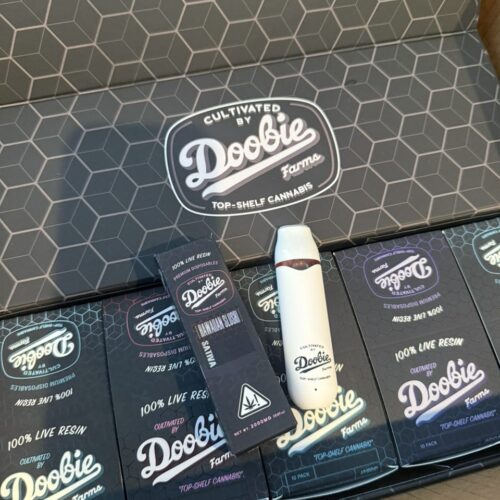
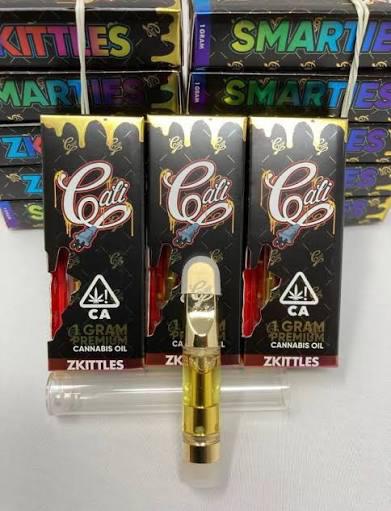
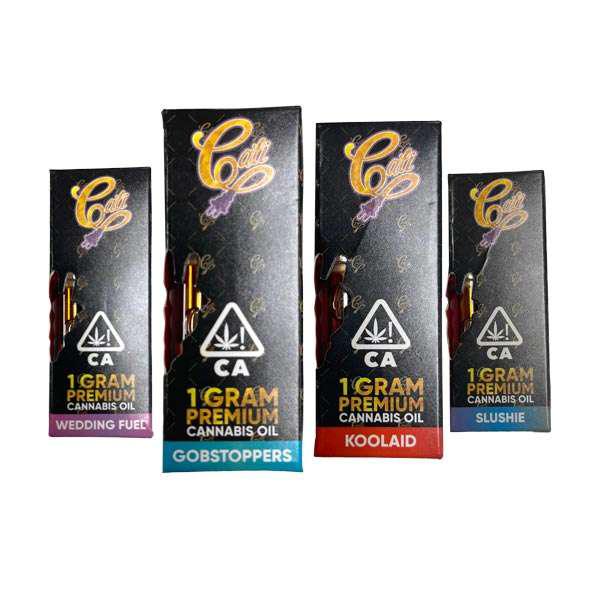
cali plug carts
$15.00
Did you like this product? Add to favorites now and follow the product.
Description
Cali Plug Carts: Complete Guide to Flavors, Effects, Price, Safety, and Real vs Fake
Cali Plug carts have become one of the most talked‑about names in the THC cartridge world. For some smokers, the Cali Plug logo and bright bags or boxes are a badge of honor—a sign they’re smoking “Cali” rather than local mids. For others, especially people who follow vape safety news, Cali Plug carts are a red flag: they are often cited as a textbook example of a brand that is mostly packaging, widely counterfeited, and rarely a truly licensed, lab‑verified product.
Online, you’ll find multiple “Cali Plug” websites and pages that advertise Cali Plug vape cartridges, disposables, and branded bud. Some present the company as a “legit Californian plug,” claiming to ship “Cali carts” worldwide and calling them top‑shelf, certified products. At the same time, reviews, forums, and investigative posts have exposed a different reality: “Cali Plug carts” and “Cali Carts” packaging is sold empty in bulk, anyone can fill it with whatever oil they want, and there’s no unified, consistent, regulated Cali Plug cart line across the legal California market.
That split between marketing and reality is what makes the “Cali Plug carts” keyword so powerful. People are searching to figure out whether these cartridges are good, bad, safe, fake, or worth the risk.
Cali Plug Carts Review
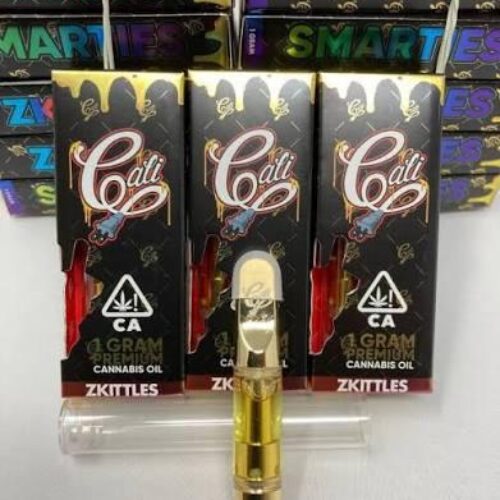
At the simplest level, a “Cali Plug cart” is any prefilled THC vape cartridge dressed in Cali Plug or Cali Carts branding. These carts are built to be screwed onto 510‑thread batteries and used like any other oil cartridge. They usually appear as one‑gram carts, filled with thick golden or amber oil, with the Cali logo on the box and sometimes on the cartridge itself.
cali plug carts Design and Packaging
Cali Plug carts are known for:
-
Flashy, colorful boxes with cartoonish or candy‑style artwork.
-
Strain and flavor names like Birthday Cake, Zkittles, Trix, Lemon Pound Cake, Fruity Pebbles, Gelato, Cookie Punch, Slushy, Cookies, and Nerdz.
-
Branded logos that say “Cali Plug,” “Cali Carts,” or similar, sometimes with holographic or gold effects.
-
Glass or glass‑style carts with gold or colored hardware.
The packaging looks impressive at first glance, which is exactly why the design became so popular on the black market. It makes the carts feel exotic, premium, and connected to California, even when the oil inside may be anything but.
cali plug carts Oil and Performance
Marketing copy for Cali Plug carts often claims:
-
“Premium cannabis THC oil” with a 9:1 distillate to flavor ratio.
-
“Highest potency extract and finest terpenes on the market.”
-
“Verified contents” with “no extra contaminants.”
Some local reviews and user posts say Cali Plug carts they tried tasted good, hit hard, and provided a satisfying head and body high. Others say they were weaker than expected or had a generic distillate taste with heavy artificial flavor. Because anybody can buy empty packaging and fill it, performance varies widely from plug to plug.
A few delivery menus and smaller online “dispensaries” list Cali Plug carts as one of the “best new cartridges” for vaping high‑quality cannabis, claiming that every product is verified and tested. On the other hand, investigative reviews and harm‑reduction bloggers warn that almost all the packaging they’ve examined appears to be off‑market, with no clear connection to a licensed California manufacturer and no reliable lab data.
cali plug carts Overall Impression
If you judge by branding alone, Cali Plug carts seem like a top‑shelf, Cali‑born cartridge line with strong oil and fun flavors. If you look deeper, you find a murky picture: multiple “official” sites, incomplete shop pages, bulk packaging for sale, discussion threads calling them black‑market fakes, and warnings about pesticides and waste distillate being used to fill them.
For someone who buys from a plug they trust, a given Cali Plug cart might hit fine and taste decent. For someone else in another city, the same “Cali Plug cart” box might hold weak, dirty oil that fails basic safety standards. That inconsistency is the core of any honest Cali Plug review.
Cali Plug Carts Price and Where to Buy
Price Range
Cali Plug carts are typically priced as mid‑range black‑market or grey‑market cartridges:
-
One‑gram carts often sell for less than licensed, dispensary‑only brands but more than plain, generic no‑name carts.
-
Multi‑cart deals, like three for a discount, are common when sold by plugs or online shops.
-
Some websites list them around the mid‑range price point per gram, promoting “bulk” deals for resellers.
Their price is one of the reasons they are popular: they look and feel “premium” but are often much cheaper than a lab‑tested, regulated cart bought from a licensed dispensary.
Where People Find Cali Plug Carts
You’ll rarely see Cali Plug carts on the menu of a strictly legal, licensed California dispensary with full testing and state tracking. Instead, users typically find them:
-
Through friends or “plugs” who run local delivery or street‑level sales.
-
On unofficial online shops that ship “Cali Plug carts” and claim worldwide delivery.
-
In smoke shops, gas stations, or random retail outlets that carry flashy THC carts without consistent brand oversight.
Some websites call themselves the “official” Cali Plug dispensary or use language like “Cali Plug Carts Cannabis Online Dispensary,” claiming to be the true plug for Cali carts and buds. Others are clearly third‑party resellers using the Cali Plug name to attract customers.
For your readers, the crucial point is this: the more distance there is between the product and a licensed, trackable cannabis supply chain, the higher the risk that the “Cali Plug cart” they’re holding has nothing to do with any real brand or testing.
Medical Benefits of Cali Plug Carts
Cali Plug carts are marketed as recreational THC products, not medical devices. However, because they contain THC (and sometimes claim to use quality terpenes), many users end up using them for similar reasons they use any strong cannabis product: stress relief, mood elevation, pain management, and sleep support.
Stress Relief and Mood
As with most THC carts, people may use Cali Plug carts to:
-
Relax after work or school.
-
Take the edge off anxiety or tension in social settings.
-
Improve mood temporarily, especially with uplifting flavor names and Sativa‑leaning blends.
The actual effect depends entirely on what oil is inside. A Cali Plug cart filled with pure, strong, clean distillate and pleasant terpenes can feel similar to other high‑THC carts in terms of mental relief. A cart filled with low‑grade waste oil or poorly blended flavors could feel jittery, weak, or simply unpleasant.
Physical Comfort
Strong THC carts are often used by adults to ease minor aches, body fatigue, and muscle tightness. If a Cali Plug cart contains reasonably clean, potent oil, the user may experience:
-
Relaxed muscles and less physical tension.
-
A warmer, heavier body high that takes their mind off soreness.
-
Relief from mild pain or discomfort for a short period.
But because most Cali Plug carts are not verifiably tested, there is no guarantee about cannabinoid profile, and some batches could carry contaminants that are not acceptable for anyone using cannabis for health reasons.
Sleep and Appetite
Certain Cali Plug flavors and strain names suggest nighttime or dessert themes, which encourages use before bed. Users may find that:
-
A few puffs from a strong cart help them fall asleep faster.
-
High‑THC oil stimulates appetite and makes food taste better.
-
Heavier strains help quiet their thoughts at the end of the day.
Again, this is entirely dependent on what is actually in the oil. Because of the black‑market nature of many Cali Plug carts, it is not wise to rely on them for health‑critical use. For genuine medical purposes, legal, lab‑tested products with clear dosing and ingredients are a safer path.
THC Content of Cali Plug Carts
Cali Plug carts are nearly always marketed as potent, high‑THC cartridges. Some sites selling them describe:
-
“Highest potency extract and finest terpenes.”
-
“Premium cannabis THC oil” with a 9:1 distillate to flavor ratio.
-
“Strong hits after just a few pulls.”
On the surface, that sounds good. In a regulated context, high‑THC distillate carts easily hit between 80–90% THC or more. In a black‑market context, however, you cannot rely on the number printed on the box.
Cali Plug carts can be:
-
Very strong, if filled with real, clean distillate.
-
Moderately strong, if cut with lower potency oil or added agents.
-
Inconsistent, if different plugs use different sources of oil each time they refill.
For your article, make it clear that Cali Plug carts don’t have a uniform THC percentage the way a regulated brand does. The only safe assumption is that the user should treat them as potentially high‑THC and dose accordingly. That means:
-
One or two small puffs to start.
-
Waiting at least 10–15 minutes before deciding to take more.
-
Being ready to stop if the effects feel too intense, especially in unfamiliar environments.
The risk is not that Cali Plug carts are “too weak,” but that their actual contents and strengths are unpredictable.
Cali Plug Carts Flavors
One of the main reasons Cali Plug carts became so popular is their flavor lineup and packaging. The brand (and all the copycats using their look) leans heavily into candy, cereal, dessert, and exotic‑sounding strain names.
Commonly advertised Cali Plug flavors include:
-
Birthday Cake
-
Zkittles
-
Trix
-
Lemon Pound Cake
-
Fruity Pebbles
-
Gelato
-
Cookie Punch
-
Slushy
-
Cookies
-
Nerdz
These names are designed to do three things at once:
-
Make the carts look fun and appealing.
-
Suggest a certain taste and effect profile (sweet, fruity, dessert‑like, or gassy).
-
Tap into the same flavor culture that made exotic bags and bootleg carts like Exotic Carts popular.
In practice, how these flavors taste varies hugely. One plug’s “Cali Plug Zkittles cart” might taste sweet and fruity and hit well. Another’s might taste like harsh, artificial sugar with a chemical aftertaste. That is the reality of a brand where the packaging is more consistent than the oil.
For SEO, you can build out flavor‑specific subsections, such as:
-
Best Cali Plug flavors (and why the idea is risky).
-
Fruity Cali Plug flavors like Zkittles, Fruity Pebbles, and Nerdz.
-
Dessert flavors like Birthday Cake, Lemon Pound Cake, and Cookie Punch.
-
Why candy‑style names do not guarantee quality or safety.
This way you capture search interest for specific flavor names while educating readers about the risks.
Cali Plug Carts: Real or Fake
The most important topic around Cali Plug carts is authenticity—if “authentic” even exists in any meaningful way. Many harm‑reduction reviewers and Reddit threads have pointed out that:
-
Cali Plug, as a weed lifestyle brand, appears to focus on flower, bags, merch, and marketing.
-
There is no clear, official, licensed prefilled cart line widely recognized in California dispensaries.
-
“Cali Plug carts” and “Cali Carts” packaging is sold separately and filled by third parties.
-
Many people consider all Cali Plug carts in the wild to be counterfeits or black‑market concoctions.
One early review of Cali Carts found that after checking Cali Plug’s official website and Instagram, there were no official announcements of any prefilled cartridges. Shop pages were incomplete, and only merch images were visible. This strongly suggests that, at least at that time, the company itself was not publicly promoting a regulated cartridge line.
Another line of discussion summarizes Cali Plug carts as:
-
“Black‑market item”
-
Packaged with improper state symbols
-
Filled with pesticide‑laden waste distillate that failed testing
-
Not an authentic, licensed brand at all, with packaging sold empty to anyone who wants to use it
At the same time, you can find other posts where users swear their Cali Plug carts hit better than anything else from their plug and that they consider them fire. This is what makes the situation confusing: some individual fills may be decent, while others are dangerous.
How to Approach “Real” Cali Plug Carts
Given this background, your article should stress:
-
Treat any Cali Plug cart as unregulated unless it is bought directly from a licensed dispensary that can verify its origin.
-
Packaging alone does not prove authenticity. All the logos and holograms in the world can be printed on empty boxes.
-
If you see QR codes or “verification” stickers, they might be real or might be copied. Users need to verify that any code links to a reputable, current, legitimate system and not just a static page anyone could clone.
In practical terms, if a user cannot trace a Cali Plug cart back to a known, licensed producer and a current lab test, they should assume it is a black‑market product and treat it accordingly.
Lab Test and Safety of Cali Plug Carts
True lab testing means more than just saying “lab tested” on a box. It requires:
-
A real certificate of analysis (COA) from an accredited lab.
-
Potency data (THC and CBD percentages).
-
Screens for pesticides, heavy metals, residual solvents, and microbes.
-
Batch numbers that can be matched between the product and the lab report.
Cali Plug carts, in many of their online depictions, claim to be verified and free from contaminants. Some descriptions say that Cali Plug “verifies the contents in all their products to ensure no extra contaminants in the vape cartridge.” However, investigative blogs and user reports have repeatedly noted:
-
Cali carts are a classic example of fake cartridges: the more outrageous the packaging, the more likely it is not tied to any licensed producer.
-
Attempts to contact “Cali Plug” about the carts and their origin often go unanswered.
-
Some users who tested or examined carts found they were cheap, generic CCELL knockoffs with questionable oil.
Reddit posts discussing whether CaliPlug carts are legit often include comments like:
-
“They are counterfeit, containing pesticides and waste distillate.”
-
“CaliPlug isn’t an authentic brand at all. People simply purchase counterfeit branded packaging and sell you whatever they decide to put inside.”
-
“If you didn’t purchase it directly from a dispensary, it’s likely counterfeit. Why take the chance?”
Your safety section should tie all this together and emphasize:
-
There is no widely accepted, transparent testing regimen for most Cali Plug carts circulating in the wild.
-
Many may be made from oil that failed regulated lab testing and was diverted to the black market.
-
Only carts bought from licensed dispensaries with verifiable COAs can be considered genuinely lab‑tested in a meaningful sense.
For readers in illegal or grey‑market states, you can explain that all unregulated carts carry risk and that many of the hospitalizations and deaths during the vape‑related lung injury outbreaks were tied to illicit cartridges filled with vitamin E acetate and other contaminants.
How to Use Cali Plug Carts
If someone chooses to use Cali Plug carts despite the risks, they should at least know how to use them as safely as possible from a dosing and hardware standpoint.
Step‑by‑Step: Using a Cali Plug 510 Cartridge
-
Check your battery
Use a proper 510‑thread battery meant for cannabis oil, not a random old vape battery designed only for nicotine. -
Attach the cart carefully
Screw the cartridge on until it’s snug. Don’t crank it too hard—you can damage the threads or break the internal connection. -
Start on low voltage
Set your battery to its lowest or second‑lowest setting. High heat burns oil and terpenes, and can create more harshness and possible by‑products. -
Take a tiny test puff
Inhale gently for one second, then let go. Wait to see how it feels in your throat and chest. If it tastes heavily chemical or burns, consider not using it further. -
Wait for effects
Give it 10–15 minutes. If the high seems manageable and you trust the taste, you can take another small puff. -
Avoid chain‑hitting
Repeated big hits of potentially very strong oil can escalate the high quickly and increase the risk of side effects like anxiety, paranoia, and chest discomfort. -
Store upright, cool, and dark
When not in use, keep the cart upright and away from heat or direct sunlight, which can thin the oil, damage components, and degrade cannabinoids.
Handling Clogs and Leaks
-
Warm the cart gently in your hands or pocket if oil seems too thick.
-
Take soft pulls without activating the battery to clear minor clogs.
-
If oil is leaking or the cart seems damaged, do not keep inhaling from it.
Including this kind of detail in your blog helps you rank for “how to use Cali Plug carts,” “how to hit Cali Plug cart,” and “Cali Plug cart clogging” while also reinforcing harm‑reduction advice.
Cali Plug Carts vs Other Brands
To help readers evaluate Cali Plug carts realistically, compare them with other types of cartridges.
Cali Plug vs Licensed Dispensary Carts
-
Price: Cali Plug carts often cost less than fully licensed, top‑shelf carts in legal dispensaries.
-
Testing: Licensed carts come with real COAs and batch tracking; Cali Plug carts rarely do outside of marketing claims.
-
Safety: Licensed, regulated carts are almost always safer; Cali Plug carts may contain unknown contaminants.
-
Consistency: Dispensary brands usually offer consistent potency and flavor; Cali Plug carts vary widely.
Cali Plug vs Other Black‑Market Brands
-
Branding: Cali Plug has one of the most recognizable sets of packaging in the black‑market world, similar to brands like Exotic Carts or Dank Vapes.
-
Perceived quality: Some users rank Cali Plug carts above other bootleg brands, while others lump them together as all risky.
-
Risk profile: All black‑market carts share the same core risks: unverified oil, counterfeit hardware, and the possibility of dangerous additives.
Cali Plug vs DIY or Home‑Made Carts
-
Control: DIY carts made from your own flower and distillate or rosin give you more control over ingredients.
-
Convenience: Cali Plug is convenient if you trust your plug, but you have no input on what’s inside.
-
Knowledge: Making your own carts requires knowledge and equipment, but reduces reliance on unknown suppliers.
Your comparison section positions Cali Plug realistically and helps capture search queries like “are Cali Plug carts good,” “Cali Plug vs Stiiizy,” or “are Cali Plug carts safe.”
Frequently Asked Questions on Cali Plug Carts
What are Cali Plug carts?
Cali Plug carts are THC vape cartridges sold under the Cali Plug branding, usually one‑gram 510 cartridges with candy‑style flavor names and flashy packaging. In practice, most are unregulated and often filled by independent sellers rather than any single licensed manufacturer.
Are Cali Plug carts legit?
Many reviewers and users say that Cali Plug carts are a black‑market packaging brand more than a single licensed company. Empty Cali Plug packaging is widely sold, and most carts in circulation are not traceable to an official, regulated source.
Are Cali Plug carts safe?
There is no universal answer. Some may be filled with decent oil, others with contaminated or low‑quality distillate. Because there is no consistent testing or oversight, they carry higher risks than regulated dispensary cartridges.
Do Cali Plug carts get you high?
Yes. Most Cali Plug carts contain THC oil and will get you high, sometimes very high, depending on what was used to fill them. The strength and quality of the high depends entirely on the oil, which varies.
What flavors do Cali Plug carts come in?
Flavor names like Birthday Cake, Zkittles, Trix, Lemon Pound Cake, Fruity Pebbles, Gelato, Cookie Punch, Slushy, Cookies, and Nerdz are commonly used. These names describe the flavor concept more than any standardized recipe.
How can I tell if a Cali Plug cart is fake?
Because the brand itself is heavily counterfeited, the safest assumption is that any Cali Plug cart bought outside a licensed dispensary is unregulated. Packaging quality, QR codes, and holograms can be faked. The only true test is a verifiable connection to a legal producer and lab report.
Why do some people say Cali Plug carts are dangerous?
Reports have linked some fake carts to contaminated oil, pesticides, vitamin E acetate in older outbreaks, and heavy metals from cheap hardware. Because Cali Plug carts are a common black‑market item, they are part of that risk pool.
Is there an official Cali Plug website?
There are sites that call themselves “Cali Plug official,” selling Cali carts, buds, and worldwide shipping. But even these sites raise questions because they often sell products to places where THC carts are not legal and present themselves more like grey‑market plugs than licensed producers.
Should beginners use Cali Plug carts?
Beginners should be especially cautious. It’s generally safer to start with a regulated, lab‑tested cart from a licensed dispensary. If they still choose to use Cali Plug carts, they should start with very small puffs and be aware of the added safety risks.
What’s a safer alternative to Cali Plug carts?
The safest alternative is cartridges from licensed brands sold in legal dispensaries, with clear lab testing and consistent labeling. Some users also choose to vaporize flower or concentrate directly instead of using unregulated carts.
Conclusion
Cali Plug carts are a perfect example of how powerful branding and packaging can be in the cannabis world—and how dangerous it can be when that branding is detached from real oversight and testing. On the surface, they look like premium California cartridges with fun flavors, high THC, and a strong urban reputation. Underneath, they are often just one more black‑market product where the oil inside is only as good as the person who filled it.
For some consumers with trusted local plugs, Cali Plug carts may seem like a step up from generic no‑name carts, delivering strong hits and decent flavors. For others, they represent unnecessary risk in a market where regulated, tested alternatives are increasingly available.
Additional information
| FLAVORS | GELATO, COOKIES PUNCH, LEMON POUND CAKE, NERDS COOKIEZ, TRIX, BIRTHDAY CAKE, FRUITY PEBBLES, SLUSHY, ZKITTLES |
|---|
Related products

Recently Viewed Products
Reviews
There are no reviews yet.