Carbon fiber strain
Price range: $150.00 through $1,400.00
The Carbon Fiber strain stands out as a perfect example of what modern exotics are meant to be: dark, dramatic, and undeniably powerful, but with enough nuance in flavor and effect to feel crafted rather than just hyped
Did you like this product? Add to favorites now and follow the product.
Description
Carbon Fiber Strain: Complete Guide to Flavor, Effects, Genetics, and Growing
The Carbon Fiber strain has quickly become one of the most talked‑about modern exotics, prized for its dark, almost carbon‑colored buds, heavy bag appeal, and layered dessert‑plus‑gas terpene profile. It sits right in that new‑school lane where breeders aim for high THC, loud flavor, and photogenic flower that stands out the second you crack the jar. For smokers, Carbon Fiber is a slow‑burning, hard‑hitting hybrid that can shift a whole evening. For growers and connoisseurs, it is proof of how far contemporary cannabis breeding has come in terms of looks, smell, and effect.
What Is Carbon Fiber Strain?
The Carbon Fiber strain is a potent hybrid cannabis cultivar known for its dark, almost black‑purple coloration, thick resin coverage, and complex terpene profile that blends sweet dessert notes with classic gas and funk. It’s designed for enthusiasts who value:
-
High potency
-
Loud, layered flavor
-
Extreme bag appeal
Carbon Fiber typically smokes like a strong hybrid that leans slightly indica in the body while holding onto enough cerebral lift to keep the high interesting. It’s not a basic daytime sativa; it’s a full‑flavor, full‑power strain built for people who like modern exotics and know what they’re getting into.
Key points that define the Carbon Fiber strain:
-
Dark, charcoal‑like buds with deep purple and black hues.
-
Thick, milky trichomes that give a “fiber‑wrapped” look.
-
A terpene profile that combines sweet cookie, creamy dessert, spice, and fuel.
-
Strong, long‑lasting effects suited for experienced or intermediate users.
Carbon Fiber Strain Lineage and Genetics
While different breeders may claim their own spin, Carbon Fiber is generally understood to be a multi‑way hybrid built from several well‑known, flavor‑heavy and potency‑focused parents. The exact crosses can vary, but most Carbon Fiber lineages follow this pattern: a dessert‑style Cookies cross x a sweet, fruity or grape strain x a gassy, heavy‑hitting hybrid.
Common elements you’ll see in Carbon Fiber lineage descriptions include:
-
Grape Pie or similar grape/berry parent – adding dark color potential, grape skin, and berry notes.
-
Cookies lineage (like Biscotti, Girl Scout Cookies, or similar) – bringing dessert terps, cookie dough, and a balanced hybrid high.
-
OG‑style or gas‑forward strain providing dense structure, fuel, and heavy body impact.
The genetic strategy behind Carbon Fiber is to take:
-
Color and fruit from grape/berry parents.
-
Sweet bakery and complexity from Cookies lines.
-
Gas, punch, and durability from OG or similar foundational hybrids.
The result is a strain that looks like a piece of polished carbon, smells like a dessert jar with a gas leak, and hits like a strong modern hybrid.
Carbon fiber strain Indica or Sativa
In practice, the Carbon Fiber strain is best described as a balanced to indica‑leaning hybrid. It is not a racy, daytime sativa, nor is it a pure couch‑lock indica, but it definitely lives closer to the “evening and night‑time” side of the spectrum.
Most users experience Carbon Fiber like this:
-
Head: Noticeable uplift, euphoria, and sensory enhancement, especially early in the high.
-
Body: Heavy relaxation, weight in the limbs, and full‑body calm that deepens as time passes.
-
Mindset: Relaxed, floaty, sometimes introspective, with a general “stoned but content” feeling.
If you had to place it on an informal scale, many phenos of Carbon Fiber feel like 60–70% indica in effect, 30–40% sativa, with a high that starts more hybrid and ends more sedative. This makes it:
-
Great for late afternoon, evening, and night.
-
Not ideal for early morning productivity or demanding daytime tasks.
Carbon Fiber Strain Appearance
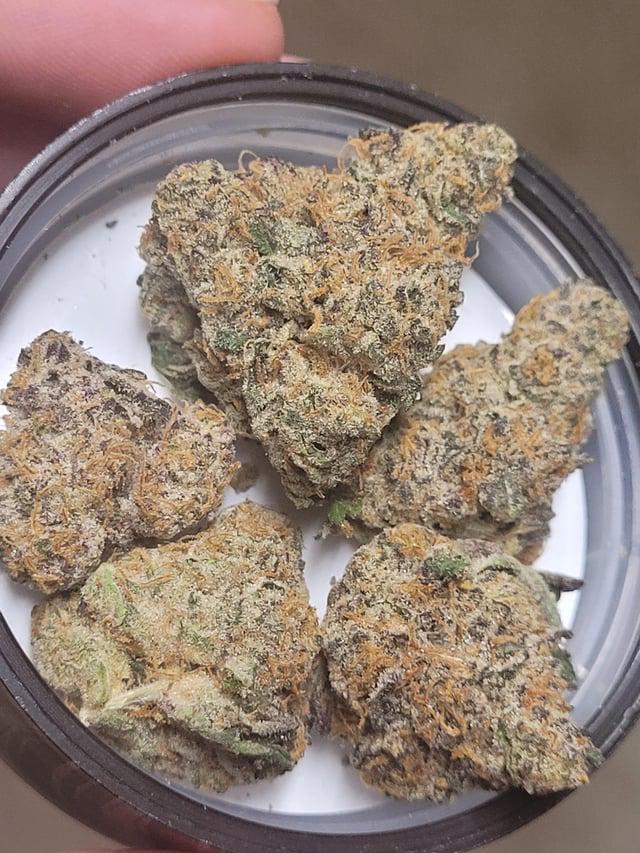
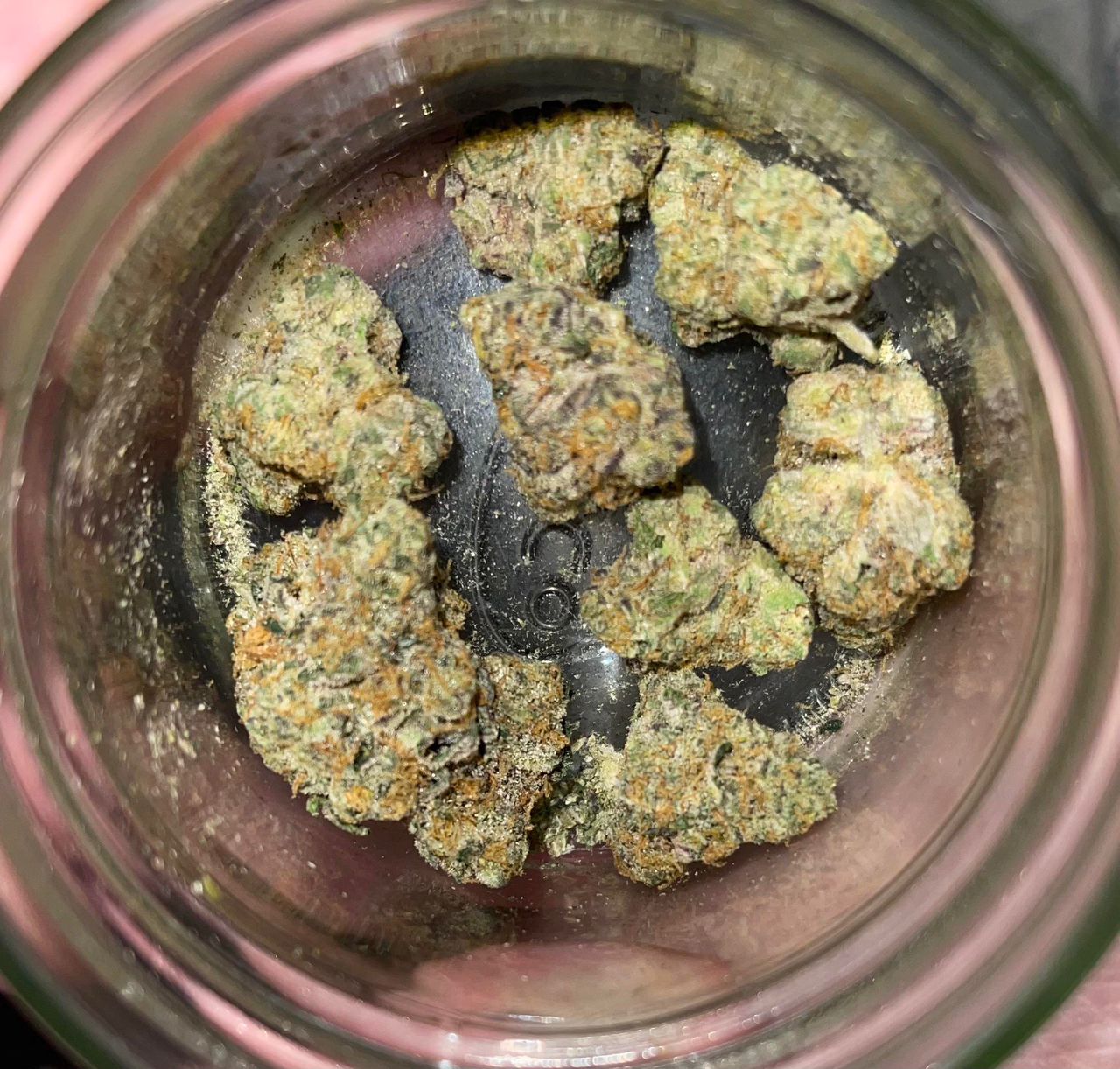
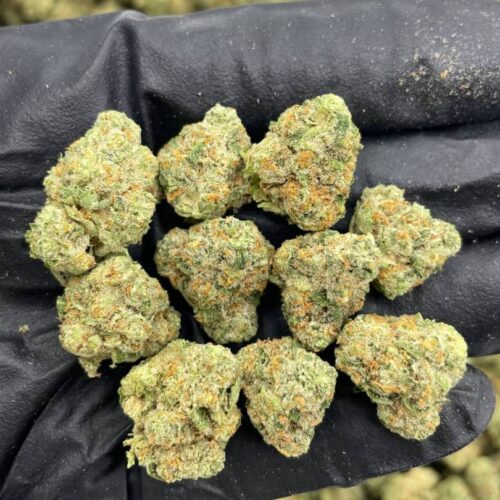
Carbon Fiber gets its name for a reason: visually, it looks like something built out of layered, dark materials with gleaming highlights. The buds have a distinctive look that sets them apart from classic lime‑green flower.
Common appearance traits include:
-
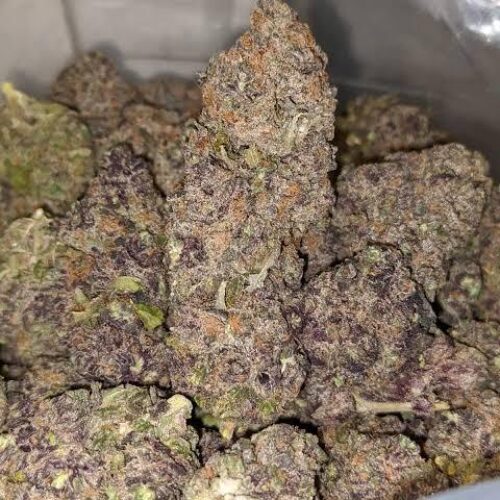
Color: Deep forest green heavily overlaid with dark purples and almost black hues, especially on the sugar leaves and outer calyxes. Under strong light, the buds can look like a mix of charcoal, ink, and midnight purple.
-
Trichomes: A thick coat of milky to cloudy trichomes that make the dark bud structure shimmer, much like light catching on carbon fiber weave. Close up, the contrast between dark plant tissue and pale trichomes is dramatic.
-
Pistils: Bright orange or amber hairs that twist and coil through the dark background, adding visual pop.
-
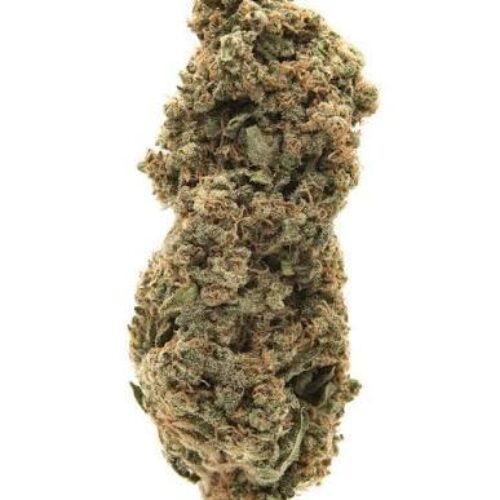
Structure: Dense, chunky buds with a hybrid‑indica structure, medium size, and tight calyx stacking. They feel solid in the hand and leave trichome residue on the fingers when broken apart.
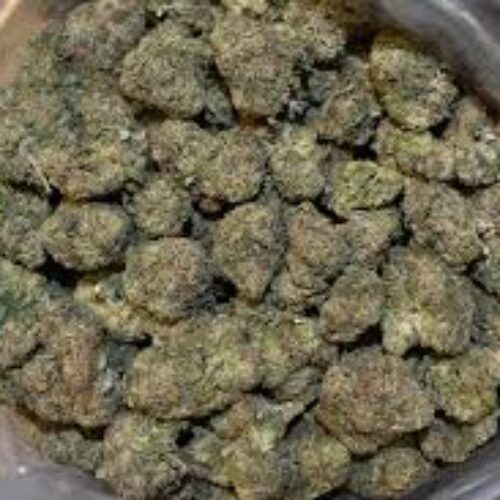
In a jar, Carbon Fiber looks like ultra‑dark, frosted chunks with orange streaks—exactly the kind of flower that grabs attention in photos and on dispensary shelves.
Aroma: What Does Carbon Fiber Strain Smell Like?
The aroma of the Carbon Fiber strain is complex and layered, very much in line with high‑end exotics that aim to combine dessert, fruit, spice, and gas.
When you first open the container, you’re likely to pick up:
-
Sweet cookie or pastry – a bakery sweetness reminiscent of cookie dough, sugar, and light vanilla.
-
Dark fruit and grape – notes of grape skin, dark berries, or red wine, especially from the deeper, darker phenotypes.
-
Gas and fuel – a pungent layer of diesel, rubber, or fuel that sits underneath the sweetness and reminds you the strain is potent.
-
Herbal and earthy tones – subtle earth, spice, and sometimes a hint of pine or pepper.
After grinding, the nose intensifies:
-
The dessert side becomes more pronounced, with cookie, cake, or biscotti‑type notes.
-
The fruit and grape scents sharpen, sometimes smelling like dark grape candy or grape peel.
-
The gas kicks harder, giving you that unmistakable exotic funk.
Overall, Carbon Fiber is aromatic, loud, and multidimensional—sweet at first with a strong, savory and gassy backbone.
Carbon fiber strain Flavor Profile
On the palate, the Carbon Fiber strain usually delivers exactly what the aroma promises, especially when consumed in clean glass or a good vaporizer.
On the inhale, common notes include:
-
Sweet pastry and cookie – cookie dough, sugar, and baked goods.
-
Dark fruit – grape, blackberry, or dark berry syrup.
-
Subtle cream – a faint creamy or vanilla edge in some phenotypes that rounds out the sweetness.
On the exhale and in the aftertaste, flavors shift towards:
-
Gas and funk – sour, diesel, or chem‑like notes that give the smoke depth and keep it from being cloyingly sweet.
-
Earth and spice – subtle earthy, peppery, or herbal tones.
-
Lingering sweet‑grape finish – a dark, slightly tart fruit flavor that stays on the tongue.
The smoke itself is often thick and satisfying, and when the flower is properly cured, Carbon Fiber can be surprisingly smooth given its potency and terpene density.
Terpene Profile of Carbon Fiber Strain
Exact terpene percentages will vary by breeder and grow, but Carbon Fiber consistently behaves like a myrcene‑heavy, dessert‑plus‑gas hybrid supported by several other major terpenes.
Likely dominant terpenes include:
-
Myrcene – bringing earth, fruit, and a strong body‑relaxing, sedative quality.
-
Limonene – adding citrus brightness and contributing to mood elevation and stress relief.
-
Caryophyllene – providing peppery, spicy notes and interacting with CB2 receptors, which may play a role in stress and inflammation modulation.
-
Linalool – in some expressions, lending a floral, lavender‑like calm that deepens relaxation.
-
Humulene – offering subtle woody, hoppy character and potentially influencing appetite.
Together, these terpenes create:
-
A dessert‑forward nose (cookie, pastry, sugar).
-
Dark fruit and grape undertones.
-
A gassy, spicy finish that gives Carbon Fiber its exotic bite.
-
A high that is both euphoric and physically heavy, with strong stress‑melting qualities.
Carbon fiber strain THC Levels and Potency
The Carbon Fiber strain is usually bred and grown with potency in mind. It’s a modern exotic, not a lightweight throwback.
While potency varies by grow, Carbon Fiber typically:
-
Tests in the 20–30% THC range in top‑shelf, well‑grown batches.
-
Sits comfortably in the mid‑20s for many standard runs.
-
Has very low CBD, making the experience primarily a THC‑plus‑terpenes ride.
What that means in practical terms:
-
Experienced users: Carbon Fiber feels strong and long‑lasting, but not unmanageable when dosed normally. It can easily become a “one or two bowls and I’m good” strain.
-
Intermediate users: It is enjoyable if respected—small hits and patience are key. Heavy bowls or back‑to‑back joints can be overwhelming.
-
Beginners: The strain is typically too strong to dive into carefree. If a beginner does try it, they should microdose cautiously and only in a safe environment.
Carbon Fiber is not marketed as a mild entry‑level strain. It is aimed at people who appreciate high test numbers and robust effects.
Carbon Fiber Strain Effects
The effects of Carbon Fiber can be described as a staged, hybrid high with a strong body component and a rich, euphoric mental overlay.
Onset
Shortly after smoking or vaping Carbon Fiber, most users report:
-
A quick head change, often behind the eyes and forehead.
-
Mood enhancement, with stress softening and a feeling of satisfaction or contentment.
-
Sensory lift, where music, tastes, and textures become more engaging.
The onset tends to be noticeable but not instantly overwhelming, as long as the dose is reasonable.
Peak
As the high develops:
-
Euphoria deepens, and the mind may drift into a relaxed, creative, or introspective space.
-
Body feel intensifies, with warmth, heaviness in the limbs, and a loosened, melted sensation in the muscles.
-
Conversation and entertainment become especially enjoyable; this is a great phase for watching movies, listening to music, gaming, or just vibing.
At this stage, Carbon Fiber feels very much like a proper exotic: it’s not just “stoned,” it’s textured—heavy but pleasant, dreamy but not necessarily disorienting if you’re used to strong cannabis.
Comedown
As time moves on:
-
The mental fireworks ease off, leaving a more quiet, calm mind.
-
Physical sedation often becomes more pronounced; you may feel glued to the couch or bed.
-
If used in the evening, many people find sleep comes naturally during or after this phase.
The overall duration of Carbon Fiber’s high is on the longer side, often several hours, especially in larger doses.
Carbon fiber strain Possible Side Effects
Like any potent, high‑THC hybrid, the Carbon Fiber strain carries the usual cannabis side effects, sometimes in amplified form if overconsumed.
Common side effects include:
-
Dry mouth (cottonmouth) – very common; drinking water helps.
-
Dry or red eyes – often relieved by lubricating eye drops.
-
Dizziness or lightheadedness – especially when standing up too quickly after a large dose.
-
Strong appetite stimulation – Carbon Fiber can bring serious munchies.
-
Couch‑lock – difficulty motivating yourself to move once fully settled.
-
Anxiety or paranoia – more likely in high doses, unfamiliar settings, or in those prone to THC‑induced anxiety.
To minimize unwanted effects:
-
Start with small hits, especially if you haven’t tried the strain before.
-
Use it in a comfortable, familiar environment where you can sit or lie down.
-
Avoid mixing it with heavy alcohol or other substances.
-
Give it time to settle in before deciding to smoke more.
Medical Uses of Carbon Fiber Strain
While experiences differ, many users turn to Carbon Fiber for both recreational enjoyment and potential relief from certain symptoms.
Stress and Anxiety (Situational)
The combination of strong euphoria and deep relaxation can:
-
Help melt away day‑to‑day stress.
-
Provide a mental “break” from work, responsibilities, or racing thoughts.
-
Offer temporary mood lift and a change of perspective in the evenings.
Those with severe or chronic anxiety should be cautious with high‑THC strains, but many regular users find Carbon Fiber helpful as a stress‑relieving nightcap.
Pain and Tension
The strong body effect makes Carbon Fiber a candidate for:
-
Mild to moderate chronic pain, such as back pain, muscle aches, or joint stiffness.
-
Muscle tension and spasms, particularly when stress‑related.
-
Post‑exercise soreness when used as part of a recovery routine.
The myrcene and caryophyllene in the terpene profile, paired with high THC, likely contribute to these perceived benefits.
Sleep and Appetite
Carbon Fiber may also support:
-
Sleep initiation, particularly when consumed an hour or two before bed, allowing you to enjoy the peak and drift down into sedation.
-
Appetite stimulation, which can be helpful for those experiencing appetite loss due to various conditions.
As with all medical uses, personal experimentation at low doses and (where possible) consultation with a healthcare professional familiar with cannabis are wise steps.
Best Time of Day to Use Carbon fiber strain
Given its potency and effect profile, the best times to use Carbon Fiber are:
-
Late afternoon – if your main responsibilities are done and you want to unwind.
-
Evening – the sweet spot for relaxation, entertainment, food, and conversation.
-
Night – especially if you’re looking for something to help you disconnect and eventually sleep.
It is generally not recommended as:
-
A wake‑and‑bake strain before work or school.
-
A daytime choice when you need clear focus, coordination, or fast reaction times.
Carbon Fiber is very much an end‑of‑day reward strain.
Growing Carbon Fiber Strain
For growers, Carbon Fiber can be a highly rewarding but slightly demanding cultivar. It shines when the environment is dialed in and the grower has at least basic experience with training and environmental control.
Growth Characteristics
Carbon Fiber plants typically show:
-
Medium stature – not tiny, not towering, with manageable height indoors.
-
Strong lateral branching – good response to topping and training.
-
Hybrid structure – sturdy central stem with multiple satellite branches.
Flowering Time and Yield
While specific numbers depend on phenotype and environment, Carbon Fiber often features:
-
Flowering time: Around 8–10 weeks indoors.
-
Yield: Medium to high, with dense, heavy buds when grown under strong light.
Outdoor growers in suitable climates can see impressive yields, but the strain tends to shine in controlled indoor environments where its color and density can be fully expressed.
Environmental Needs
Carbon Fiber prefers:
-
Moderate temperatures – ideally in the 70s°F (low‑ to mid‑20s°C) during lights on, with a gentle drop at night to encourage color.
-
Controlled humidity – especially in late flower, since dense, resinous buds are prone to mold in high humidity.
-
Good airflow – constant air movement reduces microclimates and helps prevent powdery mildew and bud rot.
-
Strong, even lighting – LED or high‑intensity discharge systems bring out the best in bud density and trichome production.
Nutrients and Feeding
In terms of feeding:
-
Run a solid base nutrient program during veg to build a strong plant.
-
Emphasize phosphorus and potassium in bloom to support flower and resin development.
-
Ensure sufficient calcium and magnesium, especially under LEDs.
-
Avoid overfeeding late in flower; heavy salts and excess nutrients can dull flavor and affect ash quality.
Training Techniques
Carbon Fiber responds well to:
-
Topping – to create multiple main colas and control vertical growth.
-
Low‑stress training (LST) – bending and tying branches to create an even canopy.
-
SCROG – weaving branches through a screen to maximize light exposure and yield per square foot.
-
Selective defoliation – removing large fan leaves that block light and hinder airflow.
Done correctly, these techniques help maximize yield while minimizing the risk of mold and underdeveloped lower buds.
Best Ways to Consume Carbon fiber strain
Because the Carbon Fiber strain is both flavorful and potent, certain consumption methods can showcase its strengths better than others.
Smoking Flower
-
Glass pipes and bongs – bring out both flavor and potency, offering thick, satisfying hits.
-
Joints and blunts – good for sharing and enjoying the aroma in the air, though some subtle flavors may be lost in heavier wraps.
Vaping Flower
-
Dry herb vaporizers – arguably the best way to taste Carbon Fiber’s full terpene profile.
-
Lower temperatures highlight dessert, grape, and sweet notes.
-
Higher temperatures bring out more gas, earth, and spice.
-
Vaping is also generally smoother and can be more efficient with high‑quality flower.
Concentrates
If Carbon Fiber has been processed into concentrates (live resin, rosin, sauce, etc.):
-
Concentrated forms can intensify both flavor and effect.
-
These are best suited for experienced dabbers, as the potency can be extreme.
Edibles and Infusions
Carbon Fiber flower can be used to make:
-
Infused oils or butter, which then go into baked goods and other edibles.
-
Low‑dose edibles for extended body relief and sleep support.
Remember that edibles can hit much harder and last much longer than smoked flower, so careful dosing is crucial.
Carbon Fiber Strain Info
Carbon Fiber is typically bred as a balanced or slightly indica‑leaning hybrid. Its key details:
-
Genetics: Grape Pie x Biscotti x Cookies & Cream
-
Type: Hybrid (often presented as roughly 50/50 or slightly indica‑dominant)
-
THC: Commonly in the 24–29% range, with low CBD
-
Terpenes: Caryophyllene, limonene, pinene, and myrcene are frequently reported as dominant
-
Typical effects: Euphoric, talkative, relaxed, uplifted, sometimes arousing
It’s designed for moderate to experienced users who are comfortable with strong, “boutique” flower and want both mental and physical impact in one strain.
Carbon Fiber Strain Review
Most reviews of Carbon Fiber describe a high that hits quickly in the head and then slowly spreads through the body:
-
The onset usually brings a cerebral buzz, mood lift, and a talkative, sociable, sometimes giggly energy. People mention feeling more open, confident, and ready to chat or enjoy music, games, or movies.
-
As the high develops, a deep physical relaxation settles in—muscles loosen, tension melts, and a comfortable heaviness spreads from the neck and shoulders down through the limbs.
-
At the same time, many users report feeling calm, clear, and balanced, not totally sedated. It’s strong, but not automatically a “lights out” strain unless you push the dose.
Commonly reported positives:
-
Euphoric, happy, and uplifted
-
Relaxed but still mentally present
-
Sociable, talkative, more confident in groups
-
Relief from stress, pain, and racing thoughts
-
Easier time winding down in the evening
Common negatives if you overdo it:
-
Dry mouth and dry eyes
-
Occasional headache
-
Dizziness or heavy couch‑lock
-
Short‑lived anxiety or over‑stimulation in very high doses
Overall, people frame Carbon Fiber as one of those strains that feels “complete”—good taste, strong high, and a satisfying balance between mind and body.
Carbon Fiber Strain Leafly‑Style Snapshot
In a Leafly‑style summary, Carbon Fiber is presented as:
-
A hybrid weed strain made from Grape Pie x Biscotti x Cookies & Cream
-
Around 24% THC plus a small amount of CBG, making it ideal for moderate and experienced consumers
-
Known for effects described as talkative, aroused, and euphoric, with a noticeable uplifting, social energy before deeper relaxation kicks in
Medical users on that style of platform commonly say they choose Carbon Fiber for:
-
Stress and anxiety
-
Low mood or mild depression
-
Pain and physical tension
-
Low libido or wanting a more sensual, relaxed headspace
Carbon Fiber Strain Allbud‑Style Overview
An Allbud‑style description of Carbon Fiber tends to emphasize:
-
Aroma: Creamy, fruity, peppery – you’ll see notes like creamy sweetness, grape or berry, and a peppery edge.
-
Flavor: Creamy, nutty, peppery with hints of grape and citrus; many people say you can “taste the Biscotti and Cookies & Cream” in the smoke.
-
Effects: Calming, cerebral, full body high – a relaxing, sociable high that’s great for winding down without immediately knocking you out.
Reviewers often describe it as:
-
“A relaxing calm high but sociable,” with enough mental clarity to talk and enjoy yourself while still feeling genuinely stoned.
-
Particularly helpful for stress relief, with a body high that smooths everything out after a couple of pulls.
Carbon Fiber Strain Taste
Carbon Fiber has a rich, layered flavor that reflects its parents:
-
From Cookies & Cream: Sweet, creamy, vanilla‑like notes
-
From Grape Pie: Grape, berry, and dark fruit juiciness
-
From Biscotti: Nutty, doughy, spicy cookie tones
Typical flavor arc:
-
Inhale: Sweet and creamy with berry or grape on top—like dessert with a fruity swirl.
-
Mid‑pull: Nutty, cookie‑like notes start to appear; some people describe a biscotti or bakery flavor.
-
Exhale: Peppery spice, earth, and a bit of diesel slide in, leaving a sweet, creamy, peppery aftertaste that hangs around.
The overall flavor is sweet but not cloying, bold but not harsh, and it’s a big part of why this strain is so popular with connoisseurs.
Carbon Fiber Strain Weed (Effects and Uses)
As a weed strain, Carbon Fiber is often praised for being both strong and flexible:
-
Daytime: In smaller doses, people use it to boost mood, enhance focus and creativity, and make social interactions more enjoyable without feeling sedated.
-
Evening: In standard or heavier doses, it leans much more into body relaxation, stress relief, and pre‑sleep wind‑down.
Reported effects include:
-
Euphoric, uplifted head high
-
Relaxed, loose, and warm body feel
-
Increased sociability and talkativeness
-
Heightened arousal and sensual awareness for some users
-
Strong munchies, which can be useful for appetite issues
Common medical/wellness uses:
-
Chronic stress and anxious thinking
-
Mild to moderate pain and inflammation
-
Low mood and day‑to‑day depression
-
Appetite loss
-
Sleep difficulties (especially getting to sleep, not as much staying asleep)
Carbon Fiber Strain Flowering Time and Grow Info
When you look at grow reports and breeder notes around Carbon Fiber (often tied back to Cannarado Genetics), you see a fairly consistent pattern:
-
Flowering time: Usually around 8–10 weeks indoors (56–70 days of 12/12).
-
Yield: Medium to high yields when dialed in, with dense, heavy buds that weigh more than they look.
-
Difficulty: Moderate – best for growers with at least a cycle or two under their belt.
Typical grow traits:
-
Structure: Hybrid structure with strong branching; not overly tall but responds well to topping, LST, and SCROG.
-
Buds: Dense, resin‑covered flowers with dark green to purple hues, bright pistils, and heavy frost.
-
Smell in flower: Pungent, fuel‑forward nose with sweet grape, berry, and pepper notes – strong enough to need good odor control indoors.
-
Environment: Likes stable temperatures, moderate humidity (especially late flower), and strong, even light.
Growers appreciate Carbon Fiber because:
-
It delivers top‑shelf‑looking buds with serious bag appeal.
-
The terpenes come through well if you keep your drying and curing on point.
-
It has enough structure and vigor to respond well to training, making it a solid choice for tents and small rooms.
Carbon Fiber Strain Seeds
Carbon Fiber seeds are widely associated with Cannarado Genetics, where it’s often listed as:
-
Genetics: Grape Pie x Biscotti x Cookies & Cream
-
Type: High‑THC hybrid, often described as 50/50 or slightly indica‑leaning
-
THC potential: Around 25% (often higher in top‑tier grows)
-
Terpenes: Caryophyllene, limonene, pinene, with backing myrcene
Seedbank notes and grow diaries typically state:
-
It’s a heavy resin producer, making it a good candidate for hash and rosin.
-
It has a fuel‑forward aroma with sweet grapes and pepper, plus a similar flavor with berries and citrus on the tongue.
-
It’s well‑tolerated by many smokers but can cause dry mouth, dry eyes, and other typical high‑THC side effects if you overdo it.
For SEO, you can safely frame Carbon Fiber seeds as a sought‑after Cannarado‑origin hybrid that home growers chase for potency, flavor, and bag appeal.
Carbon Fiber Strain Price
Carbon Fiber usually sits in the top‑shelf pricing tier wherever it’s sold, reflecting its genetics, potency, and hype:
-
Flower: Often priced above standard mid‑shelf hybrids, matching or slightly undercutting the highest‑end exotics. Eighths (3.5 g) are typically in premium price bands, depending on region and brand.
-
Pre‑rolls and carts: Carbon Fiber‑branded or flavored pre‑rolls and vape cartridges are usually priced in line with other strain‑specific or “craft” products from the same producer.
-
Seeds: Packs from known breeders or resellers command a higher price than generic hybrid seeds, largely due to demand for the Grape Pie x Biscotti x Cookies & Cream cross and its reputation.
Actual numbers depend heavily on your local market, taxes, and how it’s branded, but it’s safe to position Carbon Fiber as a premium, not budget, strain.
Carbon Fiber Strain Gage
When people mention Carbon Fiber strain Gage, they’re usually referring to branded flower or products released under the Gage or similarly named craft brands that feature Carbon Fiber as a flagship or limited‑release strain. In that context:
-
Expect high THC, strong terpene content, and very high visual standards (dark, frosted buds).
-
The flavor will lean heavily into sweet, creamy, fruity, and gassy notes, true to the original genetics.
-
Effects will be marketed along the usual Carbon Fiber lines: balanced hybrid, heavy but not instantly sedative, good for social nights and evening relaxation.
For your article, you can accurately present “Carbon Fiber strain Gage” as:
-
A branded presentation of the Carbon Fiber hybrid, aimed at connoisseurs who want consistent, top‑shelf versions of this genetic line rather than random, unbranded jars.
Tips for First‑Time Carbon Fiber Users
If someone is trying Carbon Fiber strain for the first time, a few guidelines help ensure a good experience:
-
Start small – one or two modest hits, then wait 20–30 minutes before deciding to take more.
-
Choose the right time – evening or night, with no important tasks ahead.
-
Use clean glass – to fully appreciate the flavor.
-
Stay hydrated – to counter dry mouth.
-
Have snacks ready – munchies are likely.
-
Stay in a comfortable environment – ideally at home, with a couch or bed available.
-
Avoid heavy mixing – adding strong alcohol or other substances can increase side effects.
FAQs
What is Carbon Fiber strain?
Carbon Fiber is a potent, modern hybrid cannabis strain known for its dark, almost black‑purple buds, thick trichome coverage, and complex flavor profile that blends dessert sweetness, dark fruit, and gas.
Is Carbon Fiber indica or sativa?
Carbon Fiber is a hybrid that leans indica in its effects. It offers an uplifting, euphoric onset followed by heavy body relaxation and potential sedation as the high progresses.
How strong is Carbon Fiber strain?
Most Carbon Fiber cuts are high in THC, commonly testing in the 20–30% range in well‑grown batches. It is considered a strong strain best suited for intermediate and experienced users.
What does Carbon Fiber strain taste like?
Carbon Fiber typically tastes like sweet cookies and pastry with notes of dark grape or berry, followed by a gassy, earthy, and slightly spicy finish on the exhale.
What does Carbon Fiber strain smell like?
It has a loud aroma of sweet baked goods, dark fruit, and pungent fuel, with underlying earth and spice that make the scent rich and layered.
What are the effects of Carbon Fiber strain?
Effects usually include euphoria, mood elevation, deep relaxation, heavy body feel, strong appetite, and eventual drowsiness at higher doses.
Is Carbon Fiber good for beginners?
Because of its high THC content and heavy effects, Carbon Fiber can be overwhelming for beginners. If a new user tries it, they should use very small doses and proceed cautiously.
What medical benefits does Carbon Fiber strain have?
Many users turn to Carbon Fiber for stress relief, mild to moderate pain management, appetite stimulation, muscle relaxation, and support in winding down before sleep.
When is the best time to use Carbon Fiber strain?
Carbon Fiber is best enjoyed in the late afternoon, evening, or night, when daily responsibilities are done and you can relax without needing to stay sharp.
Is Carbon Fiber strain good for growing?
Yes, for growers with at least some experience. Carbon Fiber can produce dense, dark, visually stunning buds with strong aroma and potency when grown under good environmental control with proper training.
Conclusion
The Carbon Fiber strain stands out as a perfect example of what modern exotics are meant to be: dark, dramatic, and undeniably powerful, but with enough nuance in flavor and effect to feel crafted rather than just hyped. Its almost black‑purple buds and heavy frost make it visually unforgettable, while the mix of cookie‑like sweetness, dark fruit, and deep gas gives each bowl a layered, memorable taste that appeals to both dessert lovers and old‑school funk fans.
Underneath all of that, the high itself does exactly what most people want from an evening hybrid—lifting your mood, softening the edges of the day, and then slowly wrapping your body in a warm, sedating calm that invites you to sink into the couch and stay there. For connoisseurs, it’s a showpiece strain; for medical and wellness users, it can be a potent tool for stress, pain, appetite, and sleep when used thoughtfully. If you’re curating a lineup or building content around true top‑shelf cultivars, Carbon Fiber deserves a permanent place in the conversation as one of the more distinctive and rewarding strains to grow, smoke, and write about.
Additional information
| QUANTITY | OZ, QP, HP, LB |
|---|
Related products


Reviews
There are no reviews yet.